Before you read on: this sits outside what Splash Pro Pools does. We hand it to a vetted local resurfacing and replastering pro, reachable on (858) 400-6757.
El Cajon plaster typically lasts 7 to 10 years. Pebble often lasts 15 to 20. Inland sun shortens that. Resurfacing is about 5 to 7 days of work, then another week or two of chemistry before swimming. Call (858) 400-6757.
Why El Cajon’s heat and sun wear out pool surfaces faster
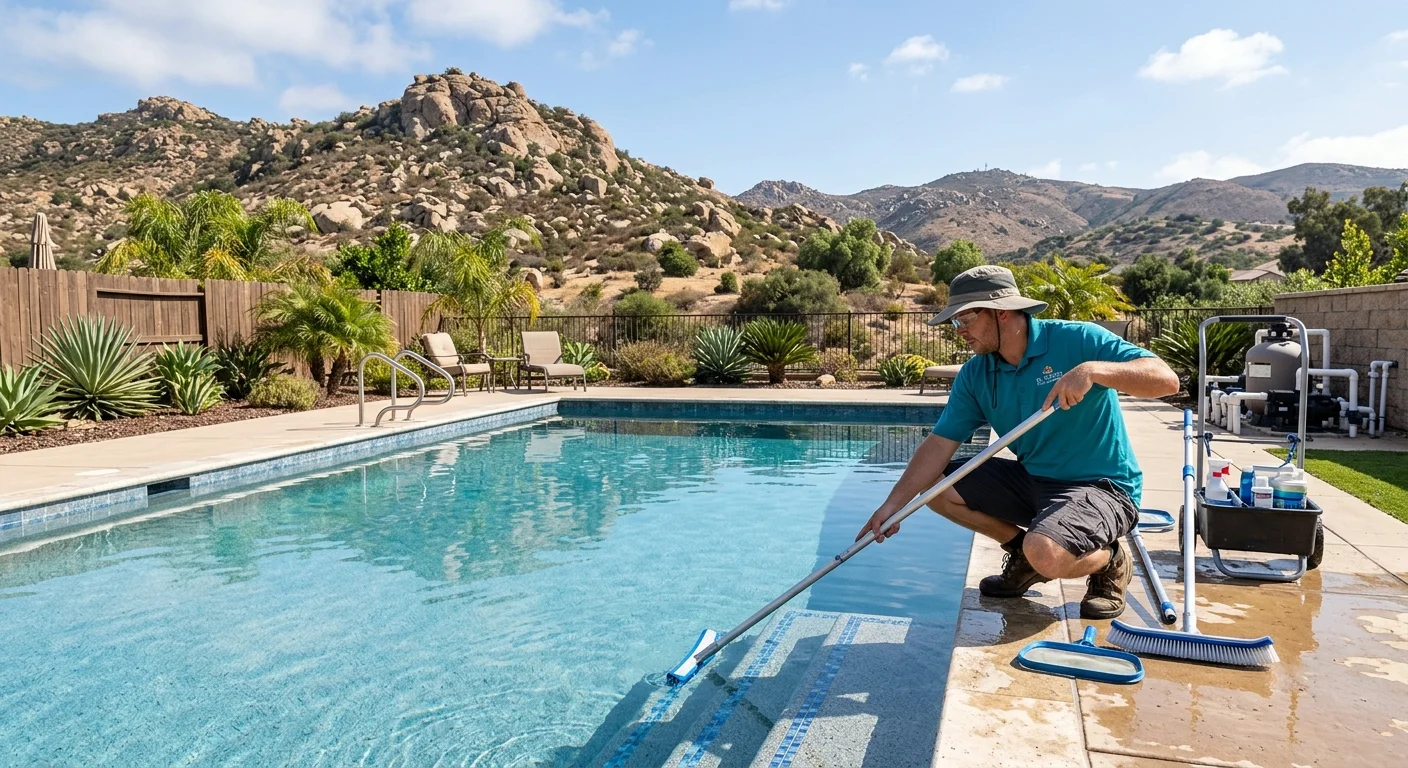
The sun in El Cajon is particularly strong, especially during those long summer months. This isn’t just about feeling warm; it’s about the high ultraviolet (UV) radiation constantly hitting your pool. UV rays are notorious for breaking down materials, and your pool’s plaster is no exception. Over years of exposure, this radiation degrades the plaster’s binders, leading to a weaker, more porous surface. You’ll notice it first as fading or a chalky feel.
Beyond the UV, the intense heat itself plays a significant role. High temperatures increase water evaporation, which in turn concentrates pool chemicals like chlorine and calcium. When water levels drop, the exposed plaster is subjected to even harsher conditions, drying out and becoming brittle. This constant cycle of heating, cooling, evaporation, and chemical concentration accelerates the wear and tear on your pool’s surface. Inland pools in El Cajon often experience more extreme temperature swings than coastal pools, amplifying this effect. These factors combine to make regular care and timely pool resurfacing a critical part of maintaining your El Cajon pool’s beauty and integrity.
Signs it’s time to resurface your El Cajon pool
Your pool usually gives you clear warnings when its surface is reaching the end of its lifespan. Recognizing these signs early can save you from more extensive and costly repairs down the line. One of the most common indicators is a rough or abrasive texture on the pool floor and walls. What was once smooth plaster might now feel like sandpaper, which can be uncomfortable for swimmers and even snag swimwear.
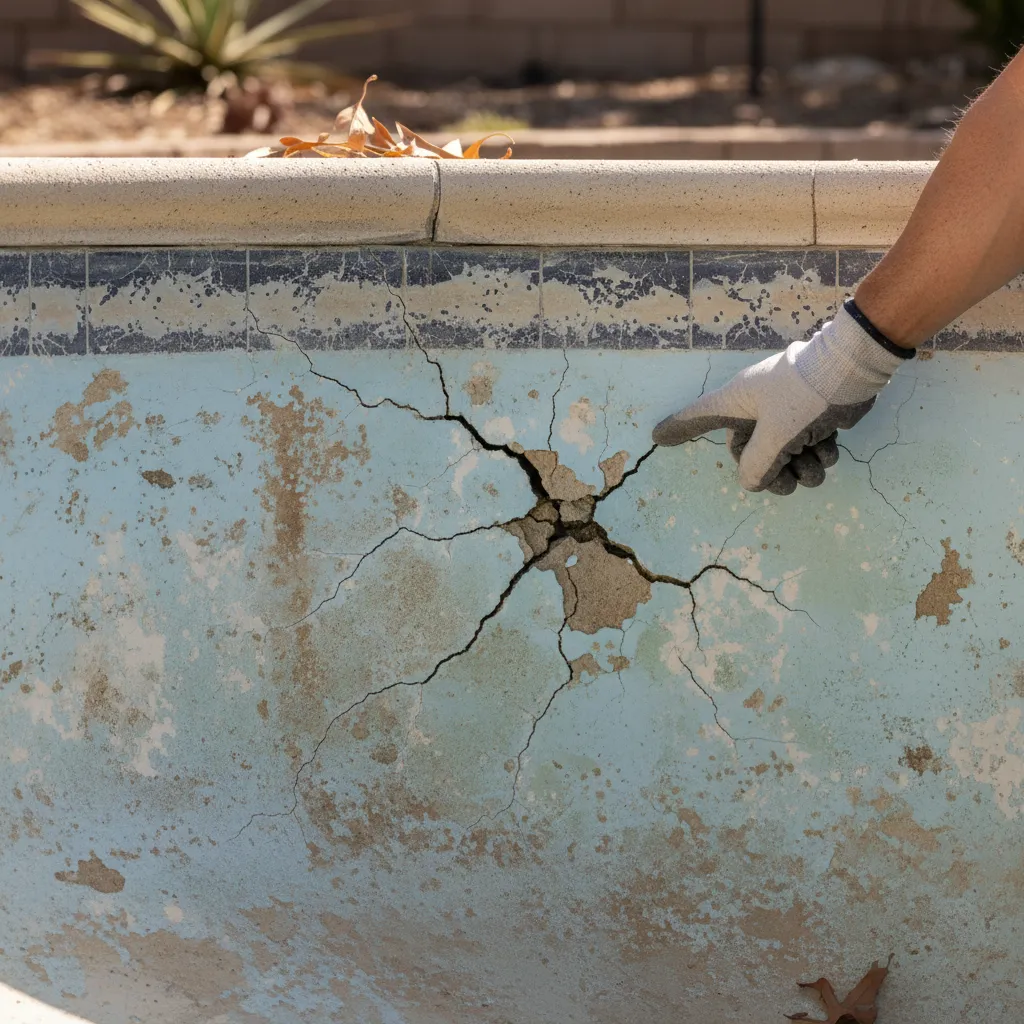
Another tell-tale sign is persistent staining that won’t brush or clean away. This happens because the plaster has become porous, allowing algae, minerals, and other contaminants to embed themselves deep within the surface rather than sitting on top. You might also notice a chalky residue when you rub the walls, or a fine white powder in your filters. This indicates the plaster is breaking down and leaching into the water. Fine cracks, especially spiderweb patterns, or plaster that’s flaking and peeling off in sheets are also serious indicators. If you’re seeing any of these issues, it’s definitely time to consider pool replastering in El Cajon, CA. Keeping an eye on your entire pool system, including ensuring your pool pump is in good repair, contributes to overall pool health and can help you spot these surface issues more easily.
Cost of pool resurfacing in El Cajon in 2026
The investment for pool resurfacing in El Cajon can vary significantly based on several factors, primarily the size of your pool and the type of finish you choose. As of 2026, you can expect costs to reflect the specialized labor, materials, and extensive preparation required for a quality job. Smaller, standard plaster jobs will naturally be at the lower end of the spectrum, while larger pools or those opting for premium finishes like pebble will be a greater investment.
Beyond size and material, other factors influence the final price. These can include the extent of surface preparation needed (e.g., extensive chipping or crack repair), whether new tile is being installed, and any necessary repairs to plumbing or underlying structures. It’s important to remember that this isn’t just a cosmetic upgrade; it’s an essential maintenance project that protects your pool’s structure and prolongs its life. We always recommend getting a detailed, on-site estimate from a licensed professional to understand the precise cost for your specific El Cajon pool. This ensures you get an accurate figure tailored to your pool’s unique condition and your desired finish. A proper resurfacing job provides lasting value and years of trouble-free enjoyment.
Plaster vs. pebble: which finish holds up best inland
When considering el cajon pool plaster or resurfacing, the choice of finish is crucial, especially given our inland climate. Traditional plaster has been a popular choice for decades due to its smooth finish and classic look. It’s typically the most budget-friendly option upfront. However, as we discussed, El Cajon’s intense sun and fluctuating temperatures can be particularly hard on plaster. It’s more prone to staining, etching, and becoming rough over time, often requiring resurfacing every 7-10 years. Its porous nature makes it more susceptible to chemical imbalances and algae attachment, demanding diligent water chemistry management.
Pebble finishes, on the other hand, offer superior durability and a longer lifespan, often lasting 15-20 years or more. These surfaces consist of small, naturally colored pebbles mixed with cement, creating a highly resilient and visually appealing texture. The aggregate nature of pebble makes it far less susceptible to etching, staining, and the abrasive effects of concentrated chemicals and UV radiation that are common in El Cajon. While the initial cost of a pebble finish is higher than traditional plaster, its longevity and lower maintenance demands often make it a more cost-effective choice in the long run for homeowners dealing with harsh inland conditions. They also offer a more natural, lagoon-like aesthetic, which many El Cajon residents appreciate.
Step-by-step resurfacing process
A resurfacing crew in El Cajon should walk the same sequence: drain, prep the shell, bond coat, then the new finish. Splash matches that crew. It does not apply plaster. Call (858) 400-6757.
- Drainage: The crew drains the pool so they can reach the old surface.
- Surface Preparation: On plaster they chip to the gunite. On other finishes they blast or etch so the new coat bonds. Cracks get addressed here.
- Bond Coat Application: A bond coat goes on the clean gunite.
- Material Application: They apply plaster, quartz, or pebble in one even coat.
- Curing and Initial Fill: After cure they refill and hold startup chemistry so the finish does not stain.
- Chemical Startup: They balance the water for the first weeks so the new surface does not stain.
When to call us
If your pool shows signs of wear, or you’re simply ready to refresh its appearance, professional pool resurfacing is the solution. This is a complex job that requires specialized skills, equipment, and strict adherence to safety protocols. Don’t risk a DIY attempt with something this critical to your pool’s longevity.
Call us at (858) 400-6757 and we’ll connect you with a vetted local pool pro.
Frequently asked questions
How often should an El Cajon pool be resurfaced?
Generally, plaster pools need resurfacing every 7-10 years, while pebble finishes can last 15-20 years. El Cajon's intense sun and heat can shorten these lifespans, making regular inspection key.
What are the first signs my pool needs resurfacing?
Look for persistent staining, rough or abrasive surfaces, small cracks, peeling plaster, or a chalky residue. These indicate the plaster is failing and needs attention.
Is pool resurfacing a DIY project?
Pool resurfacing is a complex process requiring specialized equipment, materials, and expertise. It's not a typical DIY project and should be handled by licensed professionals to ensure proper application and longevity. Always check a contractor's license with the CSLB before hiring.
Does pool resurfacing include changing the pool's shape?
No, pool resurfacing primarily deals with the interior surface finish of the pool. It does not involve structural changes to the pool's shape or depth. Any structural modifications would be part of a larger renovation project.
How long does pool resurfacing take in El Cajon?
The resurfacing process usually takes about 5-7 days for draining, surface preparation, application, and initial curing. The pool then needs another week or two for water chemistry balancing before it's ready for swimming.
Need this done in San Diego County?
For repair and renovation work like this, we hand you to our trusted partner, Del Rancho Pools.